




Covenant House New Jersey and the New Jersey Office of the Attorney General Launch the STAR Program
Too many young people who have survived human trafficking first come into contact with help through handcuffs instead of compassion. Arrested for low‑level offenses connected to poverty, homelessness, substance use, or mental health challenges, they are often seen only through the lens of a criminal record—rather than recognized as victims of exploitation.

Covenant House New Jersey (CHNJ) is working to change that.
Through a groundbreaking collaboration with the New Jersey Office of the Attorney General (NJOAG), CHNJ has launched the Human Trafficking Diversion Program: Screen, Train, Assist, Respond (STAR)—an innovative, law‑enforcement led initiative designed to identify young survivors of trafficking and connect them to support instead of criminalization.
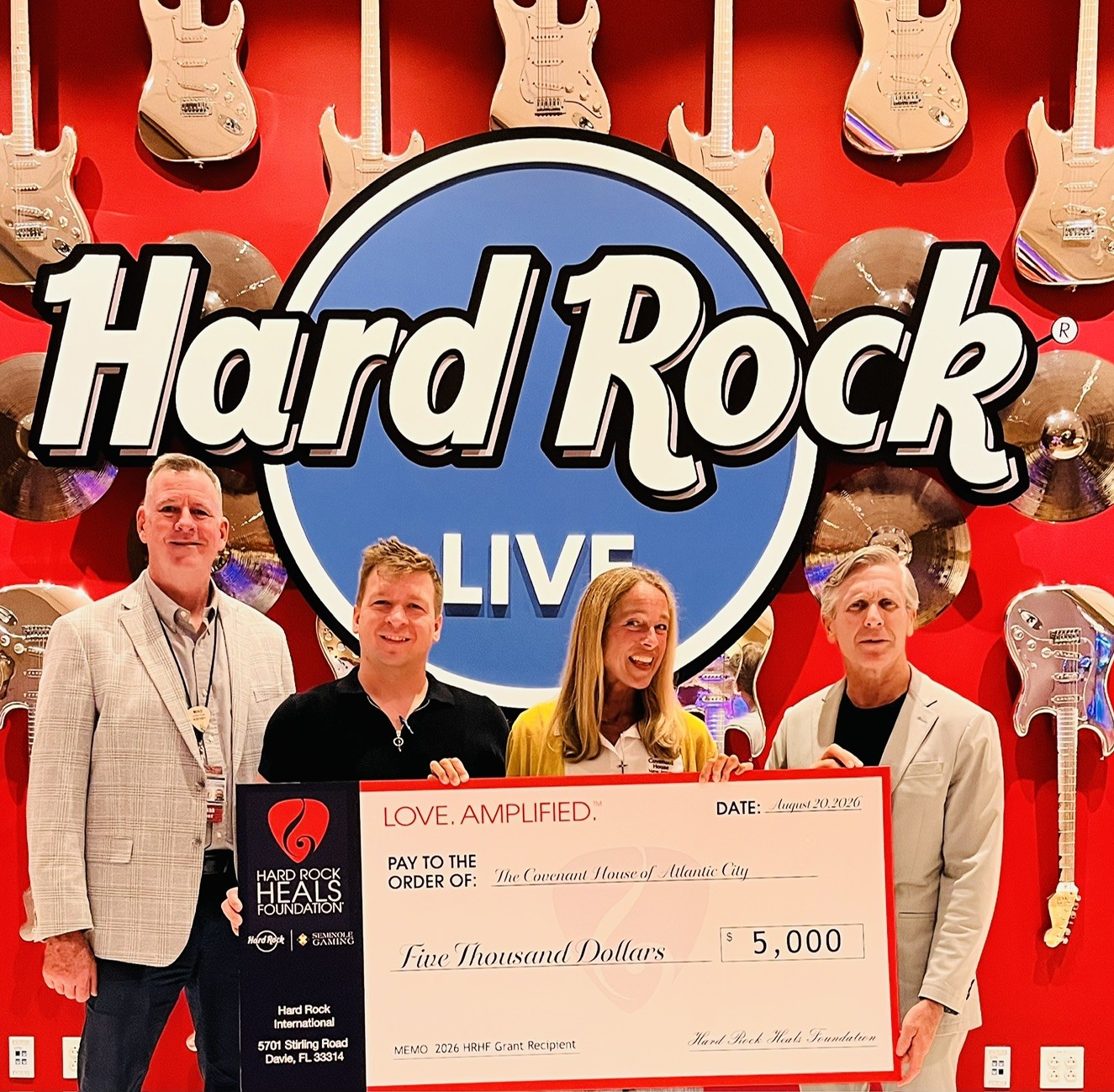
Thanks to support from a key philanthropic foundation partner, this pilot program represents a powerful shift in how communities respond to human trafficking—and a promising model for the future.
Identifying Youth at the Highest Risk
The STAR program focuses on young adults ages 18–24, a population that faces heightened vulnerability to trafficking when experiencing poverty or homelessness.
Research conducted by Covenant House New Jersey (CHNJ), including a study published in Children & Youth Services Review, highlights the critical link between arrest and trafficking among youth experiencing homelessness. In multivariable analysis, a history of arrest was the only factor significantly correlated with trafficking experiences. Additional research conducted by CHNJ shows that many survivors of forced criminality—the most common type of labor trafficking among this population—first encounter law enforcement through low-level arrests tied to survival behaviors.
STAR intervenes at this critical moment.
By shifting the response at the point of arrest, the program opens the door for identification, safety, and recovery—rather than deeper involvement in the criminal justice system.
Equipping Law Enforcement to See the Whole Story
A core component of STAR is specialized training for law enforcement officers, with a focus on increasing awareness and understanding of labor trafficking, which is often more difficult for law enforcement to identify. Through the program, officers will be trained to use an adapted version of the Quick Youth Indicators for Trafficking (QYIT)—a scientifically validated screening tool co-developed by Covenant House New Jersey—at the point of arrest. This ensures victims receive appropriate services instead of facing further criminalization.
By strengthening awareness and skills, STAR empowers law enforcement to become a critical first line of protection for exploited youth.
From Criminalization to Care
When a young person is identified as a potential trafficking victim, STAR transforms a moment of punishment into an entry point for care, safety, and recovery.
Participants are referred to services that provide:
- Trauma‑informed case management
- Short‑term shelter and housing support
- Legal advocacy and assistance
- Connections to wraparound services that promote stability and long‑term recovery
This comprehensive response is designed not only to meet immediate needs but also to prevent revictimization and future justice system involvement.
The NJ Office of the Attorney General plays a key role in overseeing the legal framework of the program, ensuring that survivors are treated as victims—not criminals.
A Pilot with the Power to Grow
In October 2025, the STAR program launched its pilot phase in Mount Laurel. The project will begin its second phase with training in Elizabeth in May.
“Expanding the STAR pilot into a larger city like Elizabeth is an important step forward—it allows us to reach more young people at risk and ensure they are met with care and opportunity instead of punishment.” – Kaitlyn Zedalis, Associate Director of Research, Learning, & Advocacy

of Research, Learning, & Advocacy
With CHNJ’s deep expertise in serving youth experiencing homelessness and trafficking, and NJOAG’s leadership in diversion programs, this collaboration has the potential to reshape systems across the state—and beyond.
Together, We Are Changing the First Point of Contact—and a Life’s Trajectory
We are proud to lead innovative, compassionate solutions that meet young people where they are and guide them toward safety and hope. With your partnership, programs like STAR can grow—ensuring that no survivor is overlooked, misjudged, or left without support.