



At Covenant House New Jersey (CHNJ), our work begins with meeting young people where they are and providing comprehensive, holistic support during some of the most challenging moments of their lives. We offer a continuum of free services for youth experiencing homelessness or surviving human trafficking, including safe shelter, food, case management, healthcare, education and employment support, and long-term housing pathways. Recognizing that unresolved legal issues can be a significant barrier to stability and independence, we also provide critical legal assistance as part of our supportive services.
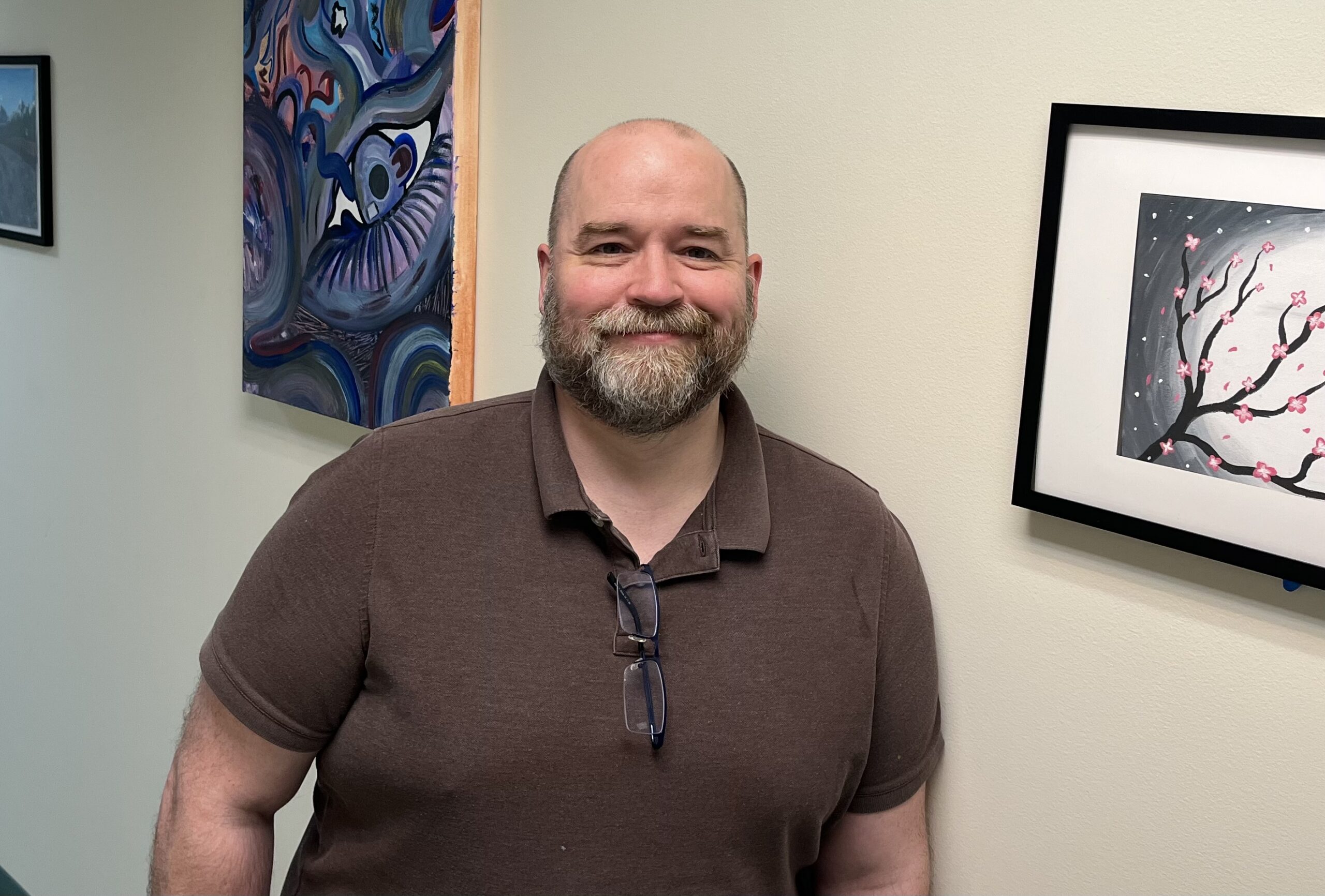
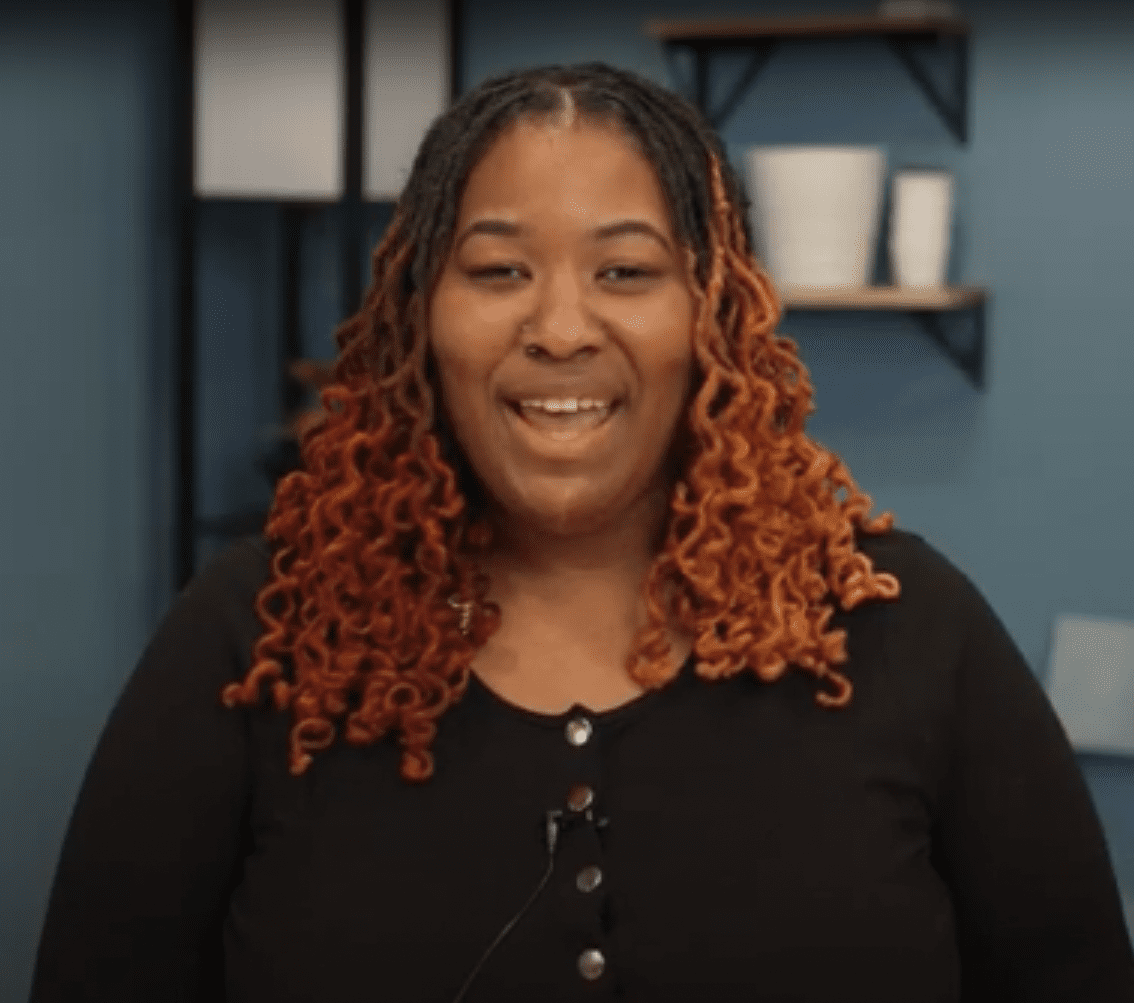
Beverly Graham-Foy (South Jersey Staff Attorney) and Allison Madden (North Jersey Staff Attorney) are our in-house lawyers who work directly with our youth to provide legal support that can eliminate barriers contributing towards homelessness. Here’s how they provide that support.
Why does Covenant House New Jersey provide legal services to youth?
Allison/Bev – Young people experiencing homelessness or surviving human trafficking often face legal challenges that directly threaten their safety, stability, and ability to move forward.
The Youth Advocacy Center at Covenant House New Jersey plays a vital role in helping young people experiencing homelessness and survivors of human trafficking overcome legal barriers that stand in the way of safety, stability, and independence. The department provides legal advocacy that empowers clients to protect their rights, access critical resources, and build a foundation for long-term success. Legal services are integrated with housing, case management, mental health, and supportive programs to ensure that each young person receives comprehensive, individualized care.
What types of legal issues does Covenant House New Jersey help address?
For youth experiencing homelessness, the Legal Department assists with a wide range of civil and criminal legal matters. It is not uncommon for the challenges of homelessness to result in young people seeking shelter in random and often unsafe places. They sleep in parks, abandoned cars and buildings and often accept offers of shelter out of desparation from human traffickers preying on their vulnerability and fear.
Upon arrival at Covenant House, a legal assessment is performed by the staff attorney to reveal any legal challenges each youth may need to face. During that assessment, a human trafficking assessment is also completed in an attempt to determine if the young person has been victimized in this way.
Common legal issues that our clients deal with involve things like unresolved traffic tickets, domestic violence cases, identity theft and municipal court charges. During their stay with us, our department helps them with these matters and others including expungement of eligible criminal records, securing public benefits, and applying for assistance through the NJ Victims of Crimes Compensation Office. By working to address these legal obstacles, attorneys help young people gain access to employment, education, housing, healthcare, and other opportunities that are essential to achieving self-sufficiency.
The Covenant House Youth Advocacy Center also provides specialized advocacy for survivors of human trafficking. Attorneys work closely with case managers and community partners to help survivors obtain protective orders, pursue victim compensation, vacate eligible convictions resulting from trafficking, address immigration concerns, and connect with additional legal protections available under state and federal law. Our clients receive compassionate, client-centered representation through which we encourage and support them to move forward to long-term stability. In conjunction with the organization’s statewide human trafficking services—including a 24/7 call center, case management, and care coordination—the Legal Department helps survivors reclaim their rights, restore their independence, and move forward with dignity and hope.
Do legal issues cause a youth to be homeless?
Allison/Bev – There are many causes for youth homelessness. Legal issues, however, can most definitely contribute to a young person losing their housing. A good example of how this can occur would be certain domestic violence situations that can result in a young person being forcibly removed by the police from their homes after a fight with a family member. Such a fight can end up with the young person receiving criminal charges and restraining orders. The Youth Advocacy Center assists them with these cases upon their arrival by providing legal defenses and attending court hearings.
On the flip side, many of our clients are themselves victims of domestic violence often inflicted upon them by a family member or loved one. It is sadly not uncommon for them to be forced to flee dangerous and abusive situations causing them to end up homeless and without shelter.
Another example of a legal issue that contributes to youth homelessness involves landlord-tenant matters. Many young people enter into residential leases but later find themselves unable to meet their financial obligations due to unemployment, underemployment, unexpected expenses, or other economic challenges. As a result, they may fall behind on rent and face eviction proceedings. Because eviction is a common occurrence in New Jersey, many youth experience housing instability that can quickly lead to homelessness. Legal advocacy can help young people understand their rights, negotiate with landlords, explore alternatives to eviction, and, when appropriate, secure more stable housing options.
Why hasn’t a youth been able to resolve these legal issues before coming to us?
Allison/Bev – Many young people experiencing homelessness are unable to address their legal issues before coming to Covenant House because their immediate focus is on meeting basic survival needs. Finding a safe place to sleep, securing food, and protecting themselves from violence or exploitation often takes precedence over responding to court notices, attending hearings, or seeking legal assistance. Without stable housing, reliable transportation, access to a phone or internet, or important identification documents, navigating the legal system can be nearly impossible.
In addition, many homeless youth have limited knowledge of their legal rights or the resources available to help them. Some have experienced trauma, family conflict, abuse, or exploitation that makes it difficult to trust institutions or seek assistance. Others may fear the consequences of engaging with the legal system or feel overwhelmed by complicated legal processes. As legal issues such as eviction proceedings, outstanding fines, debt, or family law matters go unresolved; they often create additional barriers to obtaining housing, employment, education, and financial stability. By the time youth arrive at Covenant House, these legal challenges have frequently compounded, making access to timely legal advocacy an essential part of their path toward long-term independence.
Is there a particularly memorable moment with a judge and/or a youth that best illustrates how you are able to help our youth?
Allison/Bev – There are many memorable moments that we have experienced over the years that we have worked as staff attorneys at Covenant House. These moments do not always involve big courtroom victories although admittedly those are great. The more impactful moments for us have been to see a young person realize that they now have someone on their side, often for the first time in their life, who is advocating for them. To witness a young person realize that their future is no longer defined by their past can be an extremely professionally rewarding experience.
How are legal services coordinated with other Covenant House programs?
Allison/Bev – Legal assistance is never provided in isolation. Each young person works closely with a case management team that coordinates legal support alongside housing, healthcare, mental health, education, and job readiness services. This holistic approach ensures that legal resolutions align with the young person’s broader goals—such as securing stable housing, completing education, or gaining employment—so progress in one area reinforces progress in all others.
How do legal services improve long‑term outcomes for youth?
Allison/Bev – Resolving legal barriers often marks a turning point. When tickets are cleared, benefits are secured, immigration concerns addressed, or trafficking‑related legal matters resolved, young people are better positioned to obtain housing, pursue education, and maintain employment. Legal services play a critical role in helping youth transition from crisis to independence, reinforcing our mission to support lasting, positive change.
Are there any studies supporting the work you do and its impact on our youth?
Allison/Bev – Covenant House New Jersey has consistently used research and data collection to better understand the experiences of young people facing homelessness and exploitation. Through client assessments, outcome tracking, and participation in broader Covenant House studies, the organization has gathered evidence about the barriers youth face in securing housing, education, employment, healthcare, and legal stability. Covenant House New Jersey has also contributed to research on human trafficking and commercial sexual exploitation of youth and was responsible for creation of a human trafficking assessment tool, known as a QYIT which is given to every young person receiving our residential services. Our research has also found that a young person’s contact with law enforcement may occur either at the same time as — or even before — their trafficking experience. That means those moments of interaction may represent critical windows of opportunity to intervene before exploitation occurs.