

As the World Cup approaches, Covenant House New Jersey (CHNJ) has been busily preparing for it. Not with soccer skills, nor betting pools, nor watch parties – we’ve been focused on one of our core areas of our work – serving victims of human trafficking.
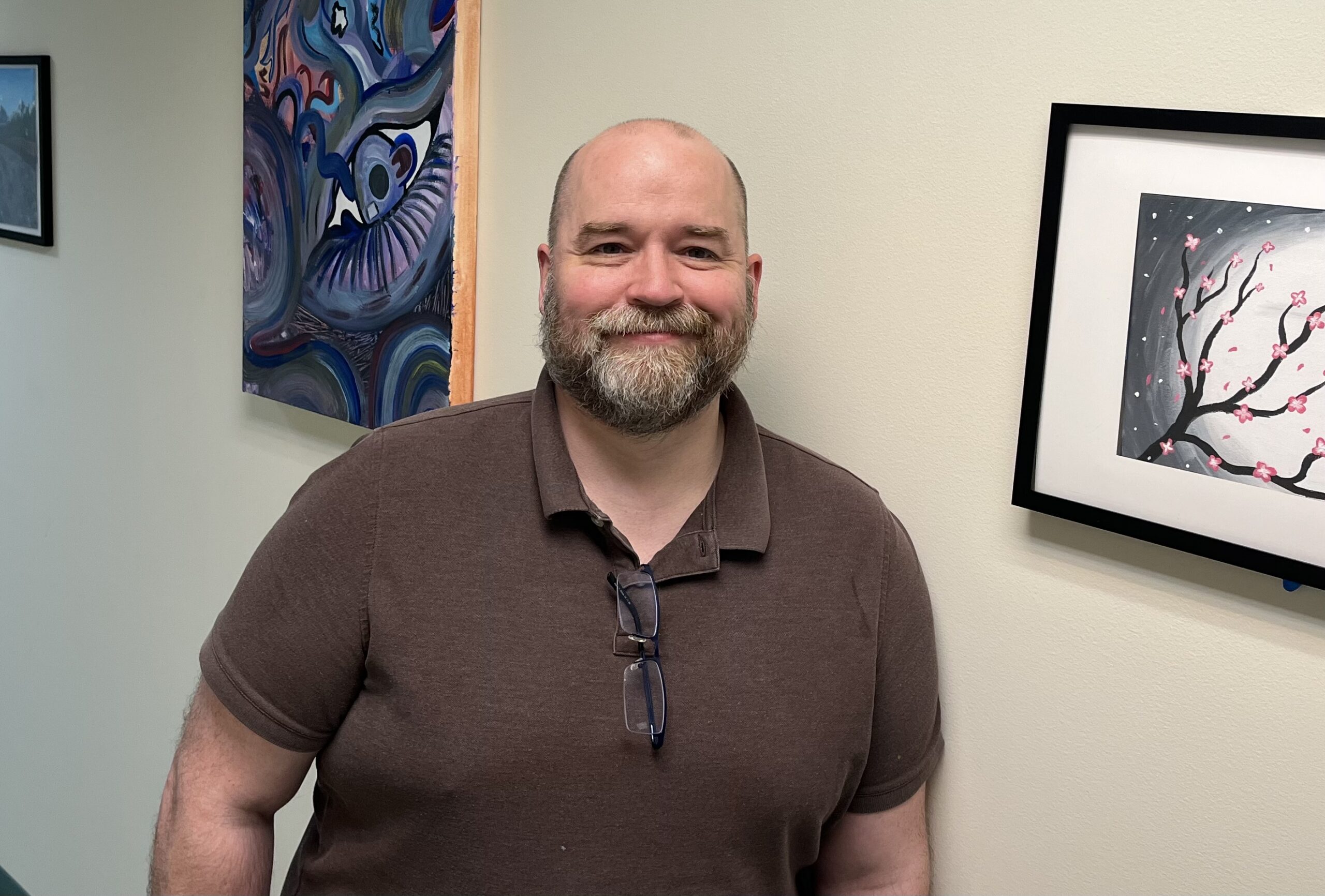
Here is Part 1 of our Q&A with Daniella Capone. LSW who is our Coordinator of Human Trafficking Victim Services. Daniella has been in this role since November 2024 and first joined CHNJ in 2018.
Question #1: The FIFA World Cup is being held from June 11th to July 19th in venues across North America, including MetLife Stadium in North Jersey and Lincoln Field in Philadelphia. From the human trafficking perspective, what concerns do you have about the event?
Daniella: Vulnerable populations may face increased risk as the demand for low-cost labor rises, not only during these events but also throughout related fan activities occurring across the state. It is also important to recognize the potential for exploitation within illicit industries, where individuals may be forced or coerced into criminal activity and/or commercial sex acts.

Question #2: Are most people aware of human trafficking? What are the most common myths surrounding human trafficking?
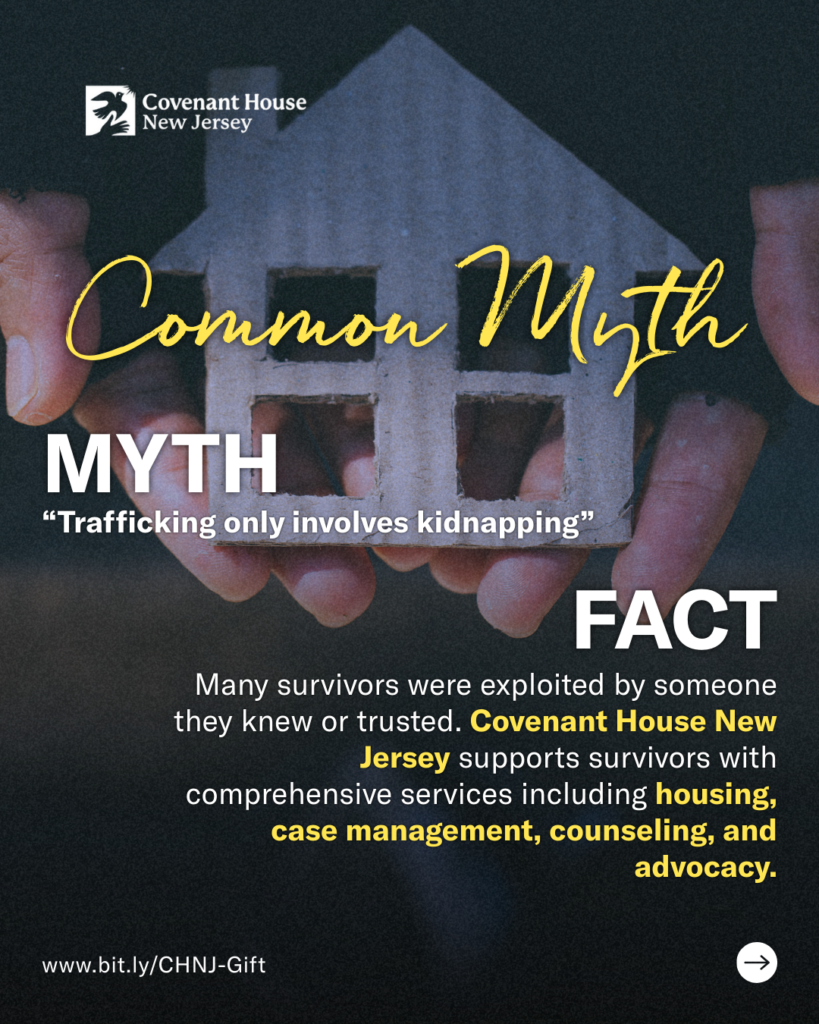
Daniella: During our trainings, we often find that while many people are aware of human trafficking, their understanding is shaped by common myths frequently portrayed in the media. Some of the misconceptions we encounter most often include the belief that trafficking only affects girls, when in reality we consistently serve both male and female clients in similar numbers year after year. Other common myths are that trafficking only impacts foreign nationals, that it does not occur in New Jersey, and that sex trafficking is the only form of trafficking, despite labor trafficking also being a significant issue. (See our FY25 Impact Study.)
Question #3: CHNJ was established in 1989 and has been continuously serving youth aged 18-21 since then. Did the mission change at some point to support victims of human trafficking?
Daniella: CHNJ continues to provide residential and specialized support services to youth 18-21. In October 2020, CHNJ through a grant awarded by the Office of the Attorney General, became statewide provider all HTVS regardless of age and housing status.
Question #4: What’s the background to that appointment by the State of New Jersey?
Daniella: In 2015, we launched focused research efforts examining the correlations between homelessness and human trafficking. In 2017, we validated QYIT ( Quick Youth Indicators for Trafficking) , the first scientifically validated screening tool for both sex and labor trafficking at the time. Building on this research and the ongoing work already being done at CHNJ, we were awarded a grant in 2020 to serve as the statewide provider for human trafficking victim services. Today, we offer a wide range of direct services to survivors and connect individuals with additional resources and support systems to assist them throughout their journey.
Question #5: Much of that work was done in our CHART – the Covenant House Action and Research Tank. Did CHART impact the work we are now doing with victims of human trafficking?
Daniella: One of the first projects that CHART focused on was how to identify and serve victims of human trafficking. CHNJ was in the somewhat unique position of not only being able to research the matter, but also had experience in serving victims of human trafficking since youth facing homelessness often become victims. In 2017, we didn’t know what we know now: almost one out of every eight of our young people were human trafficking survivors. At the time, youth advocates did not have the tools to even assess whether a young person was a survivor in a way that did not force them to relive that trauma.
This began to change in 2015, when a Covenant House New Jersey team partnered with the Icahn School of Medicine at Mt. Sinai in New York to better understand the prevalence of human trafficking among homeless youth and develop the best way to screen for it. (See the complete study here.)
Question #6: The Quick Youth Indicators for Trafficking (QYIT) was a product of CHART and validated in 2017. How and where is that now being used to help victims of human trafficking?
Daniella: All of the Covenant House New Jersey residential programs have established procedures to ensure the QYIT screening tool is utilized with all youth in care. CHNJ partnered with Covenant House International to coordinate and deliver QYIT screening trainings throughout the federation. Additionally, we have engaged in statewide outreach efforts to educate service providers, law enforcement, hospitals, and other community stakeholders on the QYIT, supporting the integration of screening tools into their everyday practices and increasing awareness of trafficking identification efforts.
Click here for Part 2 of our Q&A with Daniella.
To Make a referral for Human Trafficking Victim Services please call 862-240-2453